SEDZA ZWAU (2025)
Photography
Khezwiḽa, ndila ya vha itsho vho vhonala — uya ndi uya, ri do vhuya ra swika.
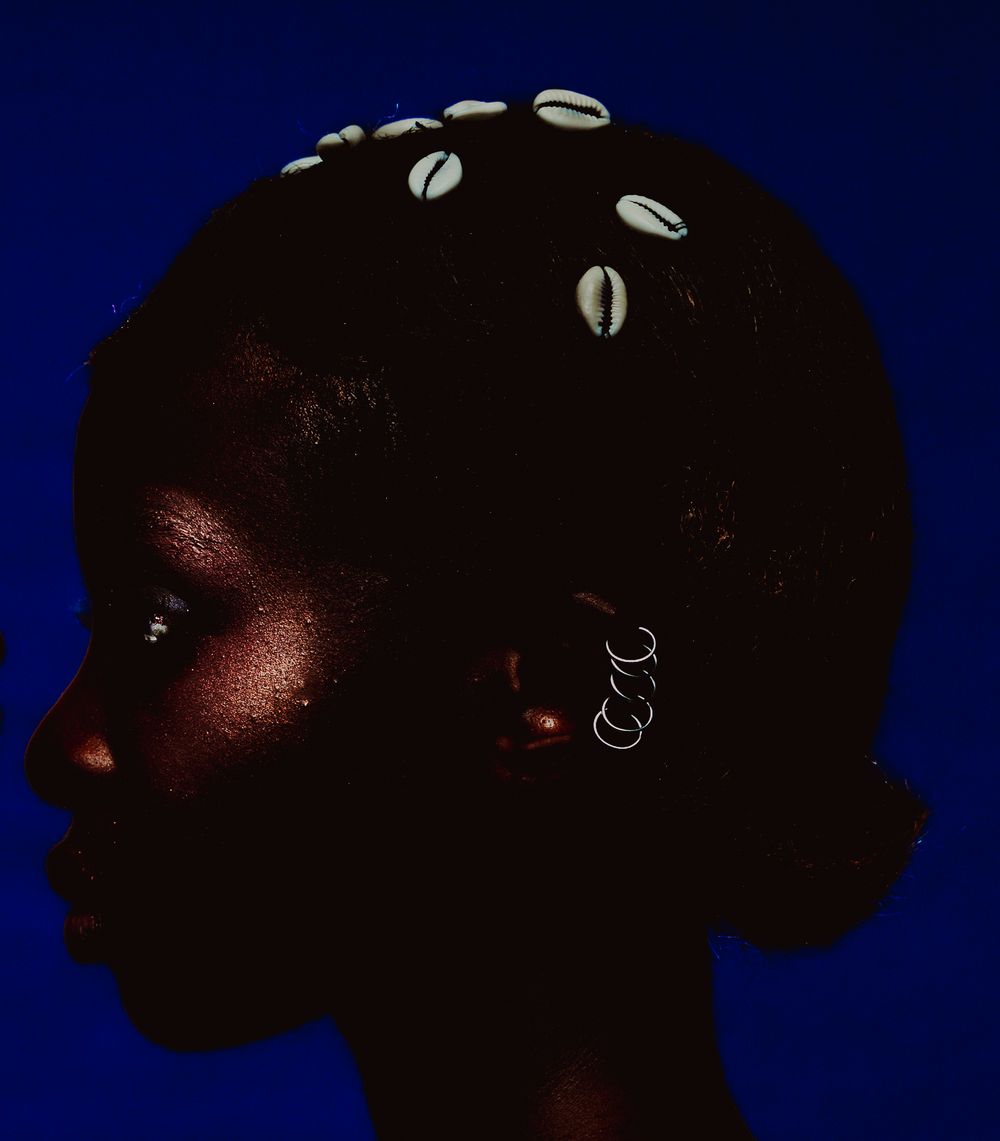
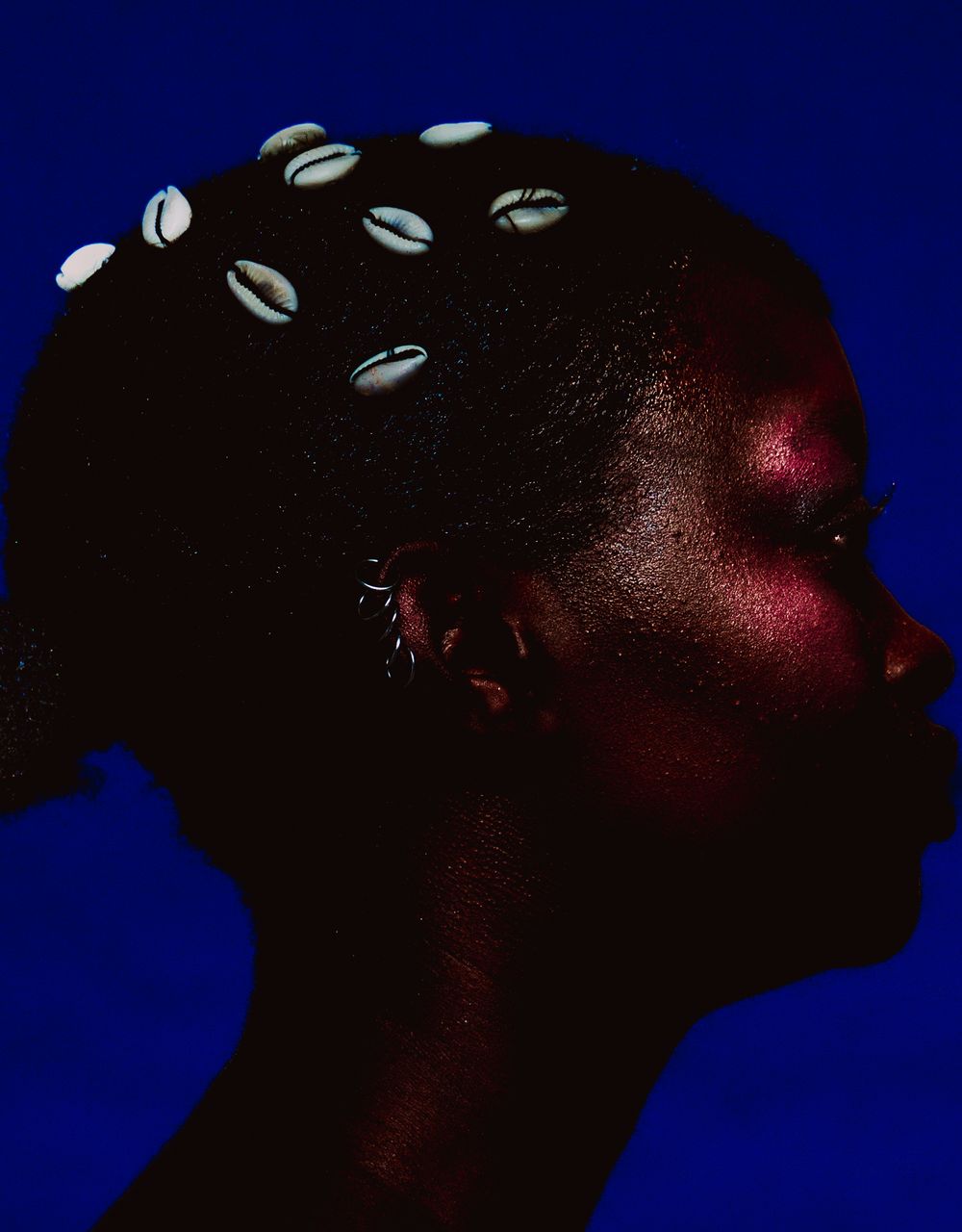
Sedza Zwau functions as a dialogue with the self a reflection on the act of choosing one’s own path, even at the risk of misunderstanding. The proverb gestures toward patience and conviction, suggesting that while certain paths may appear clearer or more widely accepted, movement itself holds its own form of certainty.
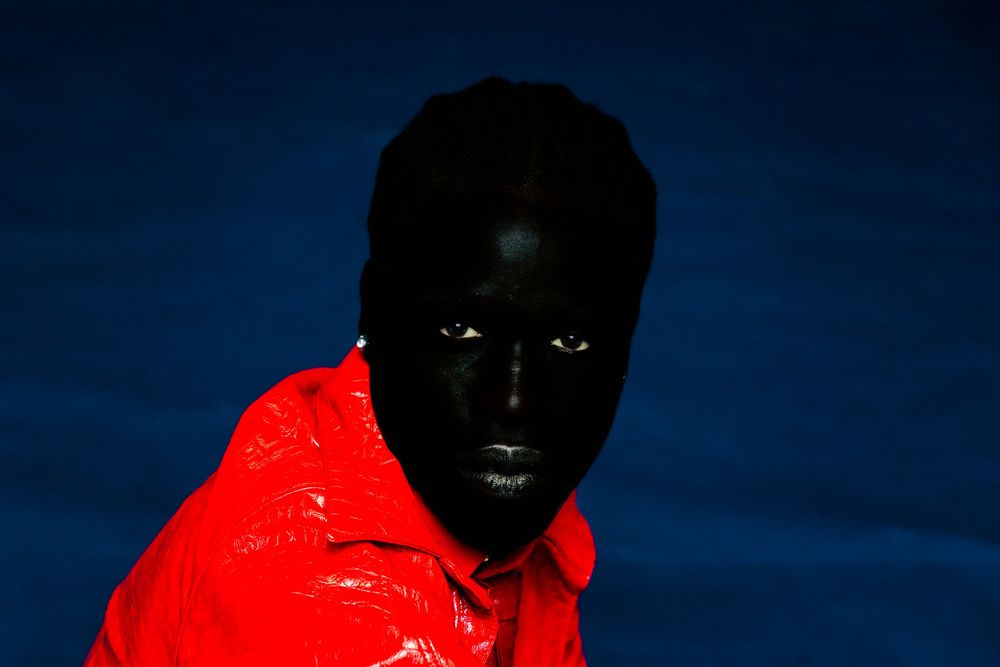
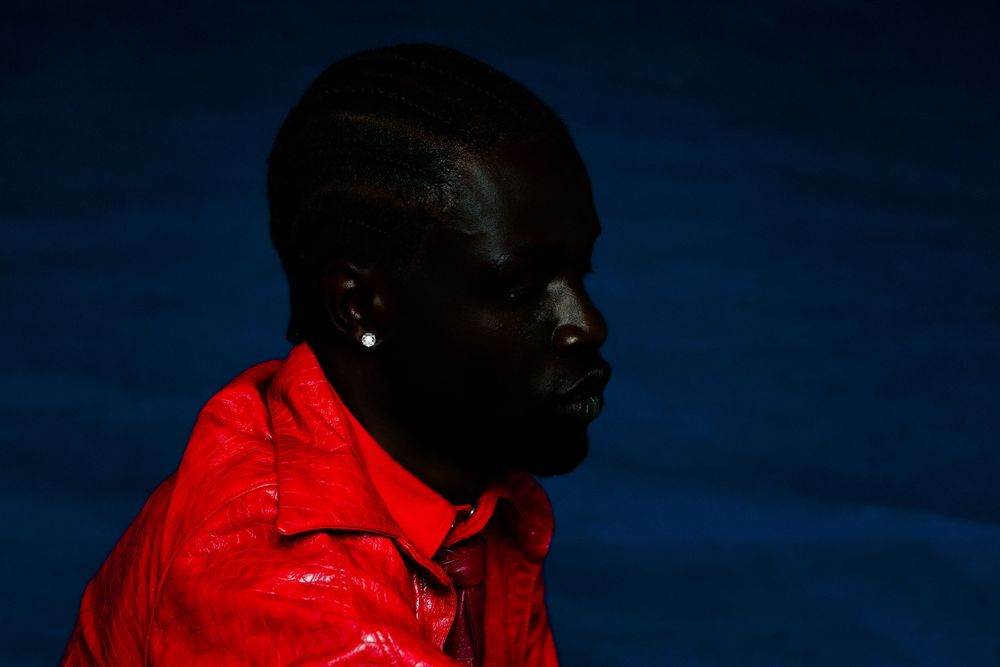
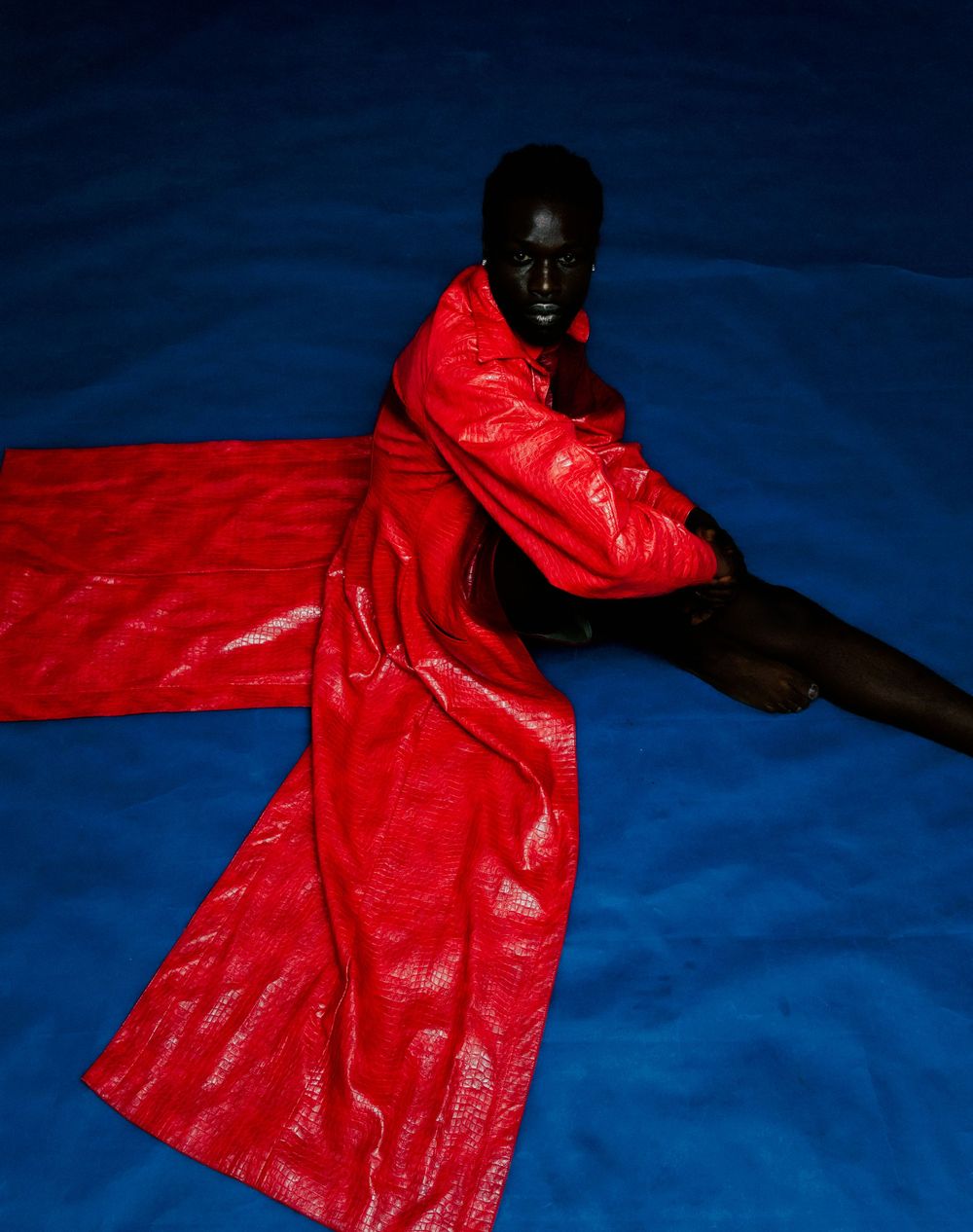
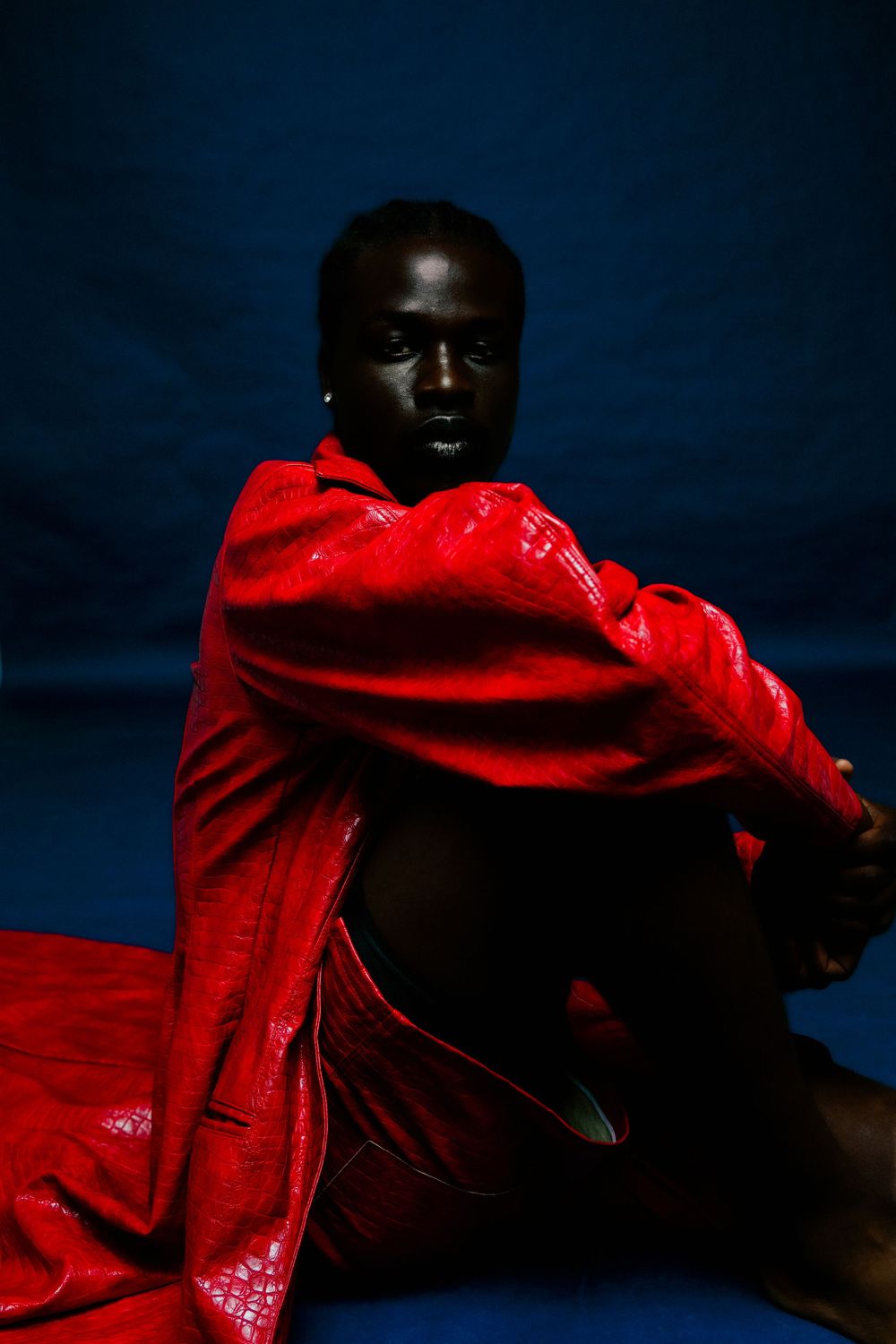
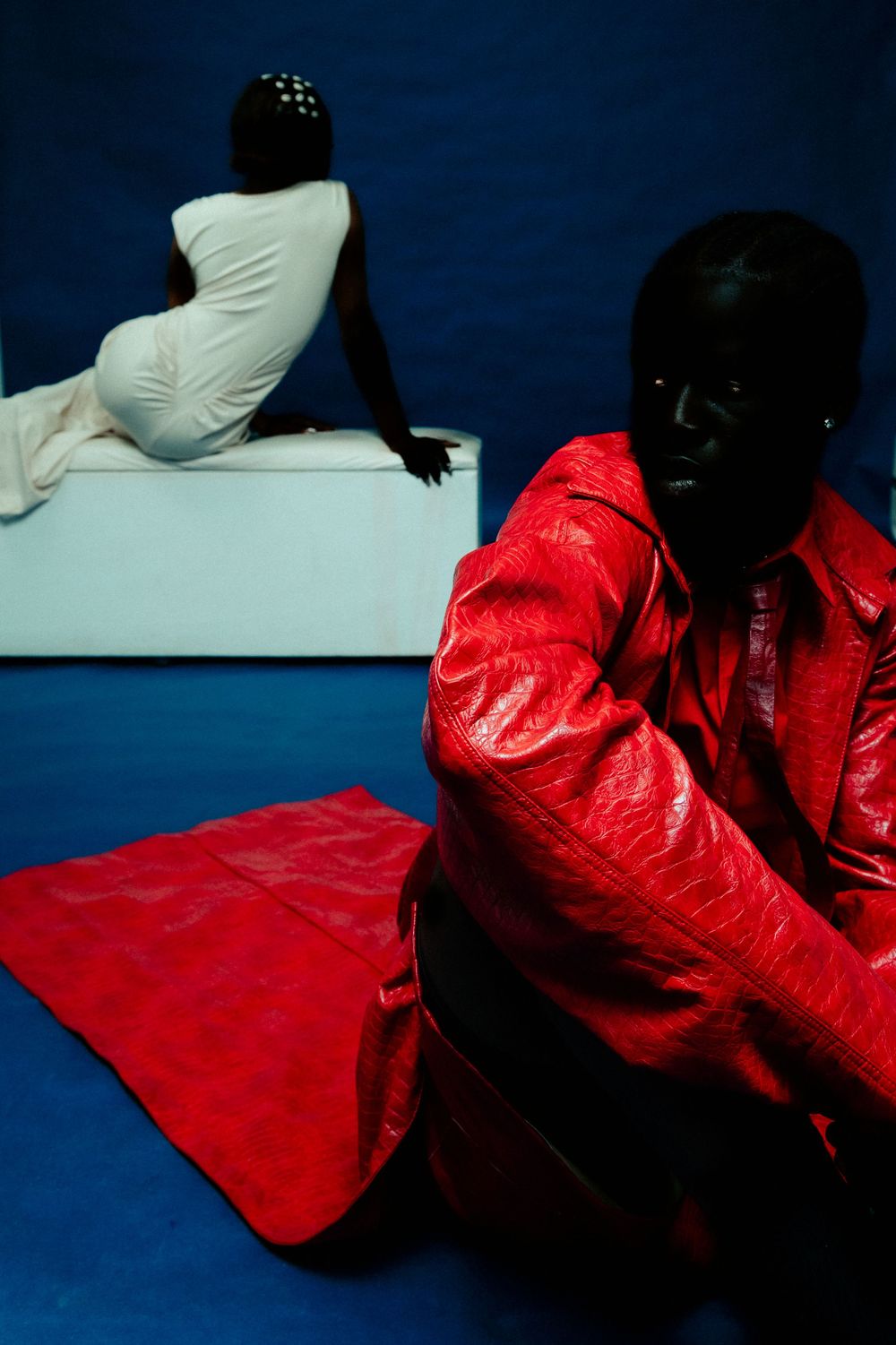
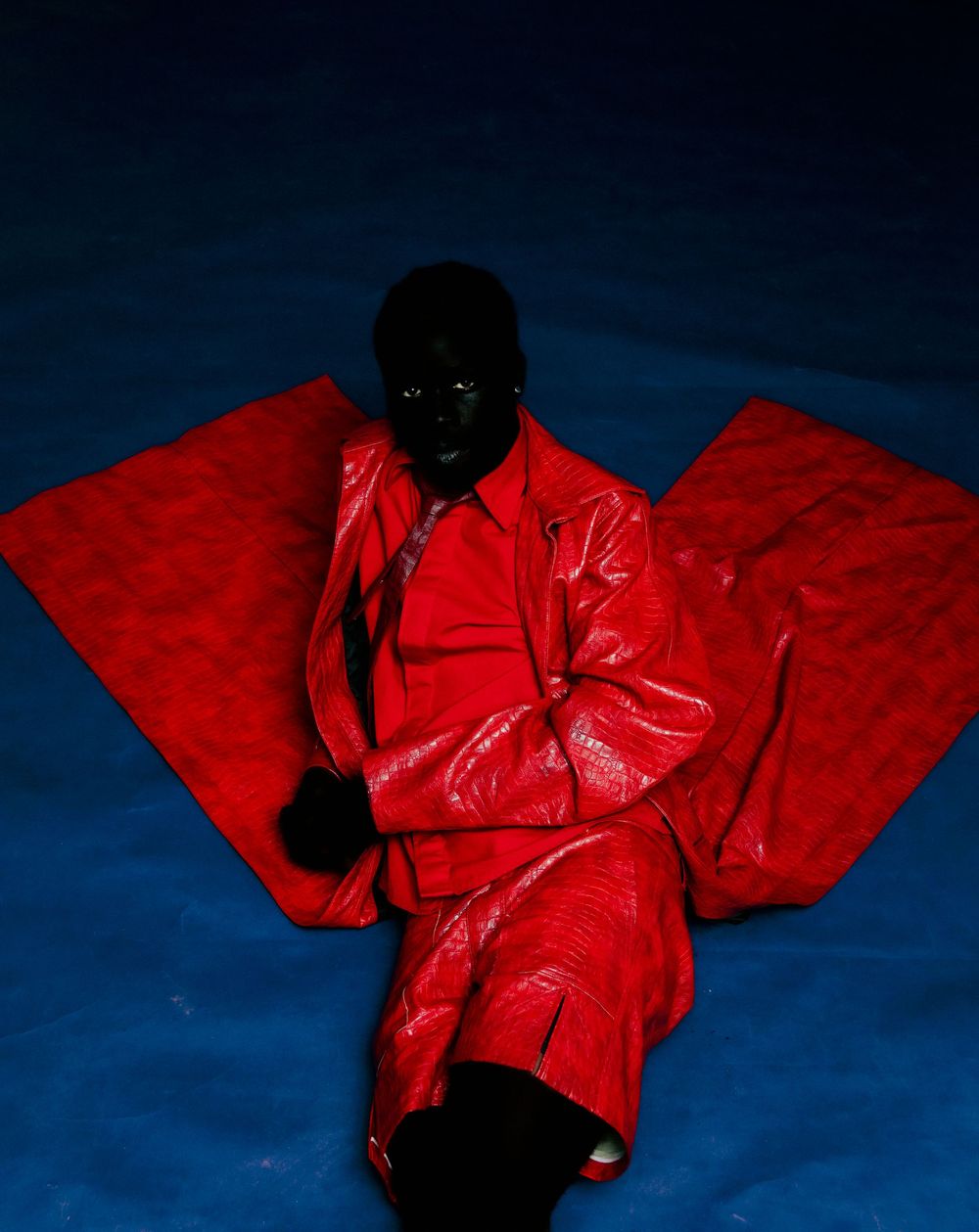
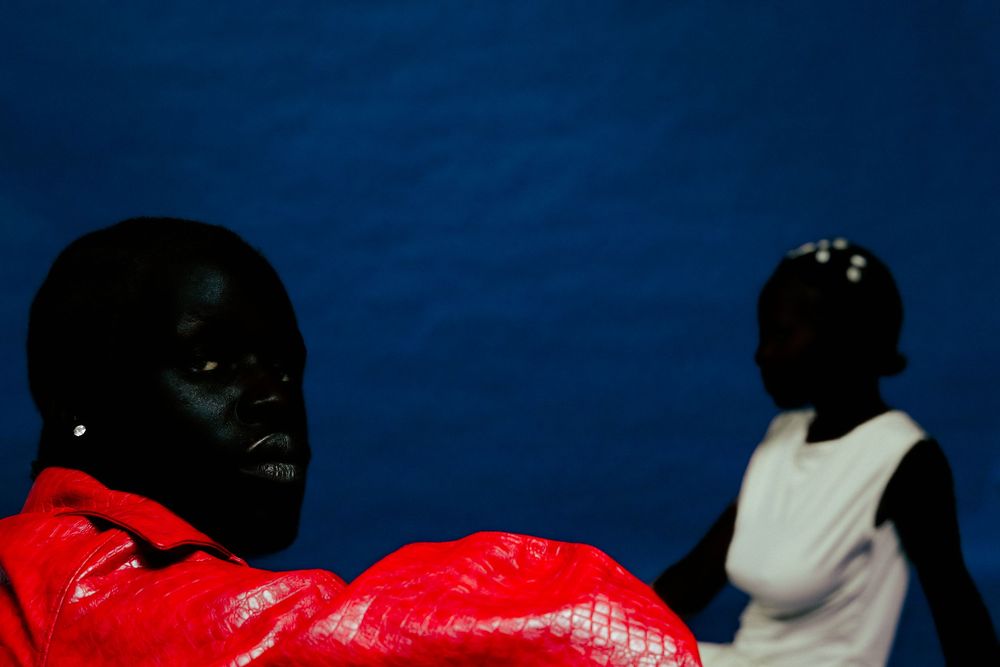
Within the image, this tension is held through both composition and colour. The figure in the foreground, dressed in red, asserts presence not as dominance, but as intention. Red operates here as a marker of decision, of self-definition, and of the willingness to stand apart. It carries both weight and warmth, reframing what might once have been experienced as isolation into something grounded and affirmative.
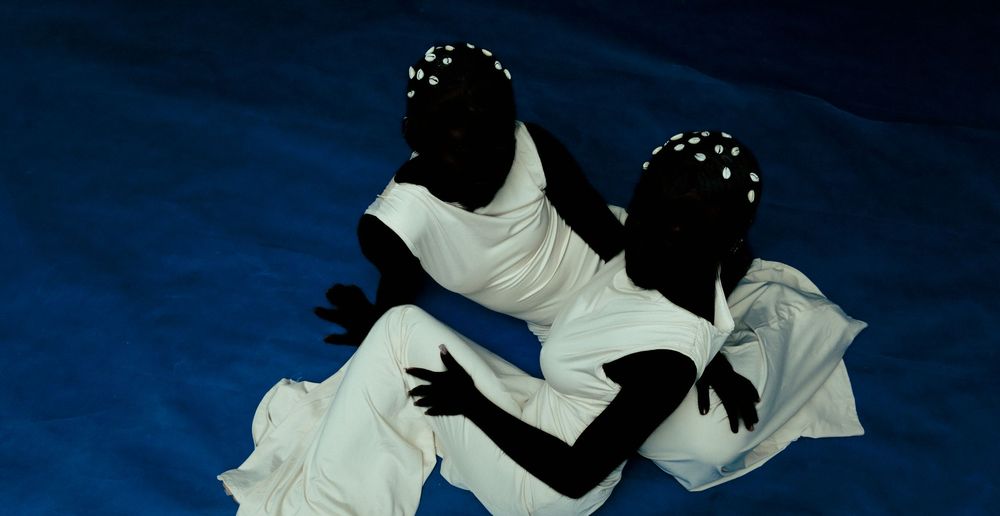
In contrast, the surrounding space and implied figures often read through lighter tones gesture toward alternative directions, paths more commonly taken. These elements do not act as opposition, but as quiet reminders of proximity: the closeness of conformity, and the ease of moving within it.
The subject’s gaze becomes central. It is direct, unwavering, and resistant to negotiation. Rather than seeking validation, it holds its position embodying the tension between belonging and departure. The figure does not fully separate from the world around them, yet refuses to dissolve into it.
Within the context of Sedza Zwau, this work marks a point of self-recognition. It acknowledges the experience of being positioned as the “black sheep,” while shifting its meaning from exclusion to autonomy, from uncertainty to choice.
The image does not resolve the journey. Instead, it affirms the act of continuing trusting that movement, even without clarity, is enough.